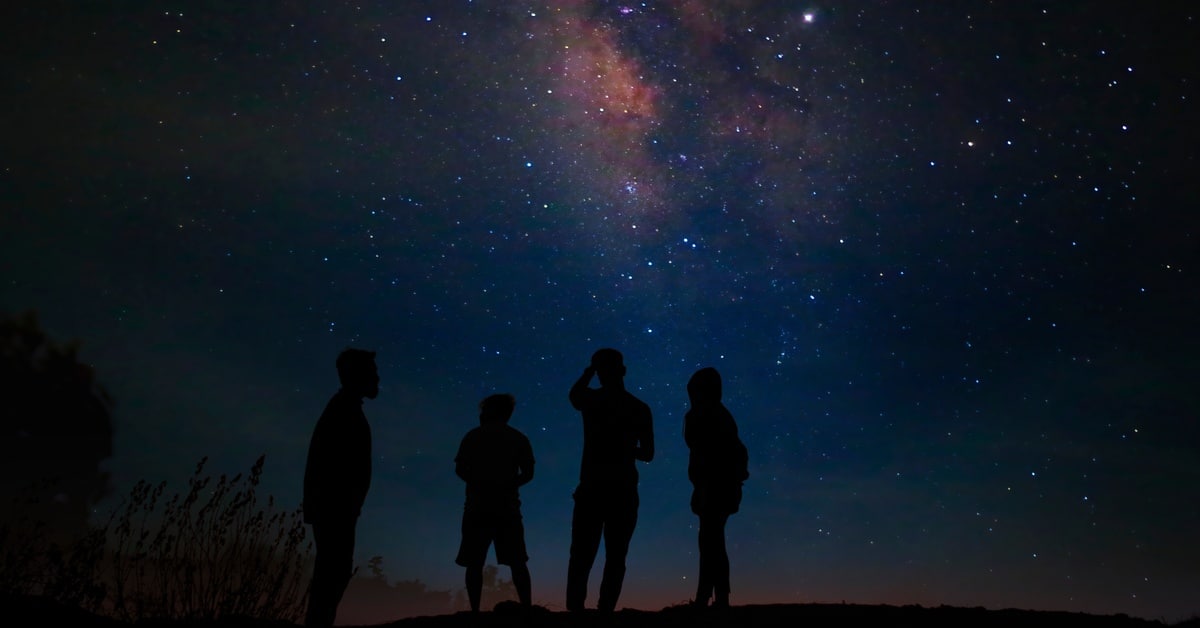
When planning a family vacation, daytime activities usually receive the most attention. Parents research attractions, look for kid-friendly restaurants, and build itineraries around experiences everyone can enjoy. Yet some of the most memorable moments can happen after the day’s scheduled activities end, when the family has an opportunity to experience something entirely different.
There are plenty of reasons why stargazing belongs on your family travel list, especially if you want to create meaningful memories without filling every hour with entertainment. Watching the night sky together introduces children to a different side of nature while giving the whole family a chance to slow down.
Give Your Family Something Different To Experience
With so many attractions competing for attention during a family vacation, even a relaxing getaway can begin to feel like a tightly managed schedule. Between admission times and travel arrangements, parents may find themselves coordinating activities when they originally hoped to relax. Stargazing offers a welcome change because the experience doesn’t require an elaborate itinerary or constant movement between destinations.
Once everyone settles into a comfortable viewing spot, the experience can unfold at its own pace. Children might notice the moon first, then begin recognizing individual stars as their eyes adjust to the darkness. Parents can participate without directing every moment, allowing everyone to enjoy the experience in their own way.
Encourage Curiosity About the Natural World
Beneath a sky filled with stars, children may begin asking questions that wouldn’t ordinarily come up during their daily routines. They might wonder why some stars appear brighter, how far away the moon is, or why the sky looks different from home. Those questions create opportunities for conversations that feel spontaneous and engaging.
Even without extensive astronomy knowledge, parents can encourage children to investigate what they see above them. Before traveling, consider learning about a few constellations together or downloading a simple sky map. During your outing, invite children to describe what they notice before introducing scientific explanations. Their observations can guide the conversation and make learning feel like part of the adventure.
Make Room for Screen-Free Family Time
Between digital entertainment and everyday responsibilities, families can struggle to find activities that hold everyone’s attention without a screen. Vacations offer an opportunity to change familiar habits, although children may still expect the same entertainment they enjoy at home.
By giving everyone a shared point of interest, stargazing encourages family interaction without depending on digital entertainment. Younger children can search for recognizable patterns, while older kids might enjoy identifying planets or learning how constellations received their names. Parents can join the conversation without needing to entertain everyone continuously.
Although astronomy apps can provide useful information, consider using them briefly before putting phones away. Giving everyone time to observe the sky without checking a screen can make the experience feel more immersive.
Discover a Different Side of Your Destination
When choosing a vacation destination, families naturally gravitate toward attractions and experiences they can enjoy during daylight hours. Beaches, mountain communities, and national parks may offer plenty of daytime activities, but their nighttime environments can be equally interesting.
Depending on artificial lighting, weather conditions, and the moon’s brightness, the quality of stargazing can vary considerably between destinations. Locations away from major population centers may provide darker skies, although visibility can change from one evening to another. In Idaho, for instance, the stargazing conditions found in Hells Canyon illustrate why travelers should consider the surrounding environment when planning an evening outdoors.
Before booking accommodations for your next trip, investigate whether nearby parks or designated viewing areas offer suitable nighttime access. A little advance research can reveal experiences you might otherwise overlook, even in destinations you’ve visited before.
Create Family Traditions Around the Night Sky
As children begin associating certain experiences with family vacations, those activities can become traditions they look forward to repeating. Stargazing lends itself particularly well to this because every destination offers a slightly different view of the sky.
You might begin by choosing one evening during each vacation to spend outdoors after sunset. Encourage everyone to identify something new, whether that’s a constellation they haven’t recognized before or a planet visible near the horizon. As children grow, their interests may change, giving the tradition room to develop alongside them.
To preserve those experiences, consider keeping a small travel journal where family members record their observations. Younger children can draw what they remember, while older kids may prefer writing about the experience. Revisiting those entries after several trips can reveal how their interests and observations have developed.
Keep the Experience Comfortable for Everyone
Although finding a beautiful viewing location matters, your family’s comfort can determine how much everyone enjoys the evening. Younger children may become tired earlier than expected, and temperatures can drop considerably after sunset, particularly in mountainous areas. Planning around everyone’s needs makes the experience easier to enjoy.
Before heading out, choose a location with safe access and enough space for everyone to sit comfortably. Bring blankets or reclining chairs, along with clothing appropriate for nighttime temperatures. If you’re visiting an unfamiliar area, check local access rules and identify the route back before darkness falls.
Depending on your children’s ages and usual bedtime routines, you may need to adjust how long you spend outdoors. A brief outing shortly after sunset may suit younger kids, while teenagers might enjoy staying outside longer. There’s no need to extend the activity simply because you’ve traveled somewhere with excellent viewing conditions.
Let the Experience Unfold Naturally
With so much pressure to create memorable family vacations, parents can sometimes feel responsible for making every activity educational or exciting. Stargazing doesn’t need a predetermined outcome, however, and the experience can be enjoyable even when the sky doesn’t cooperate. Some evenings might offer spectacular views, while others may bring clouds or limited visibility.
When conditions aren’t ideal, you can still spend time listening to nighttime sounds or talking about the day’s adventures. Children may remember the conversations and shared moments just as fondly as the stars themselves.
Allowing some flexibility can make the outing more enjoyable for everyone. You don’t need to identify every constellation or turn the evening into a formal astronomy lesson. Sometimes the experience is simply about sitting together somewhere unfamiliar and appreciating the opportunity to be there.
Make the Night Sky Part of Your Next Adventure
Among the experiences your children might remember from family vacations, some of the most meaningful may be the moments when everyone connects without distractions. An evening beneath the stars can offer something different from the attractions that usually fill a travel itinerary.
Recognizing why stargazing belongs on your family travel list can change how you plan future adventures. Whether you’re visiting a remote wilderness destination or staying somewhere with a nearby dark-sky viewing area, making space for the night sky gives your family another way to enjoy traveling together.