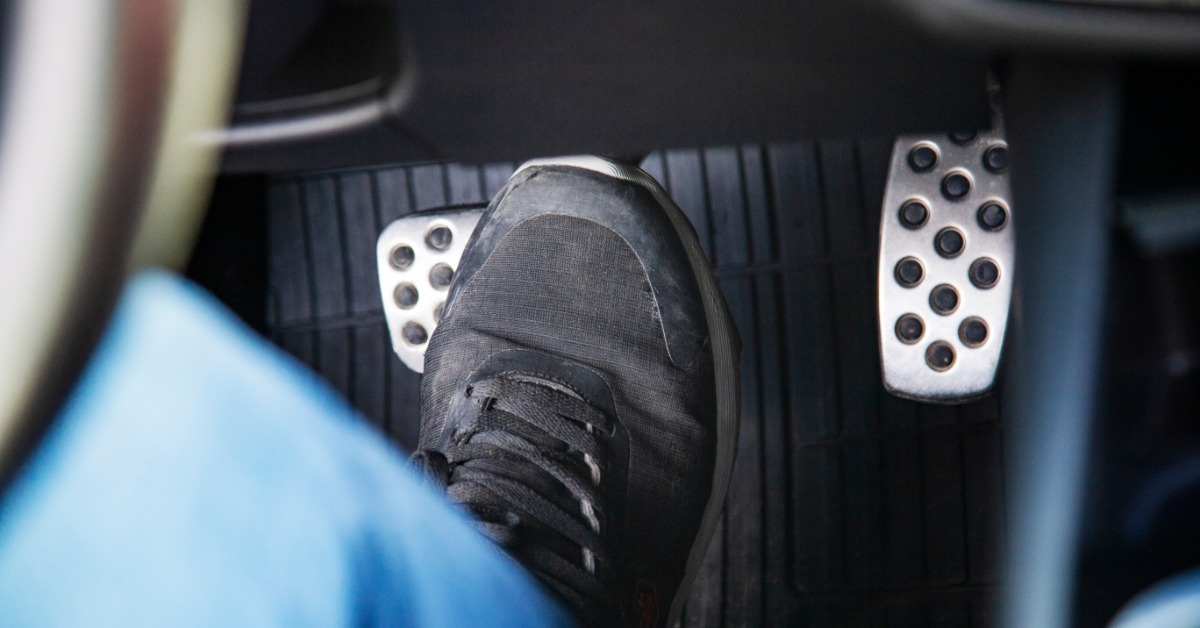
A sudden stop can save you from an accident, so there are moments when firm pressure on the brake pedal is exactly what your car needs. The trouble starts when abrupt stops become part of your everyday habits. Identifying how hard braking damages your car over time is important for any driver, especially before a big trip. A smoother approach behind the wheel can help your car age with less strain and may spare you from some premature repair costs. Use our guide below to learn how to care for your vehicle with rewarding results.
What Happens to Your Car During a Hard Stop
Every stop asks your vehicle to turn its forward motion into heat through the brake system. Making a gradual stop spreads that process across more time. A hard stop demands the same result in a much shorter span, so the brakes must cope with a sharp rise in heat and force.
Your car’s weight also shifts toward the front axle. You may notice the nose dip as the front suspension compresses. At the same time, the front tires carry more of the load, and the rear of the vehicle becomes lighter.
None of that means one abrupt stop will harm a healthy car. Modern vehicles are built to handle emergency stops. Repeated hard stops, though, can add wear much faster than a calm commute with adequate space between vehicles.
Brake Pads Wear Out Faster
Brake pads face the most direct effects of an aggressive stop. They press against the rotors to slow the wheels, and that contact creates heat. More force at the pedal usually asks the pads to handle greater heat within a shorter period.
Frequent hard stops can shorten the useful life of those pads. A driver who races toward each red light and brakes at the last moment may put far more stress on the brake system than a driver who eases off the accelerator sooner. As pads wear, you may hear squeals or notice that the brake pedal feels different. Never ignore a new sound, vibration, or change in brake response. Those symptoms deserve a professional inspection rather than a wait-and-see approach.
Excess Heat Can Take a Toll on Brake Rotors
Brake rotors also have to cope with heat each time the vehicle slows. Under normal use, they have time to shed some of that heat between stops. A series of abrupt stops gives them less time to cool.
Excess heat can contribute to uneven rotor wear or surface changes. In some cases, drivers may feel a pulse through the brake pedal or a vibration as the car slows. The sensation can become more noticeable at highway speeds.
Heavy traffic can make heat management tougher. Imagine a commute where a driver accelerates hard whenever traffic moves, then slams on the brakes a few seconds later. That pattern can repeat dozens of times before the driver reaches home, and each cycle adds another dose of heat.
Your Tires Take Part in Every Hard Stop
The brake system may start the process, but your tires have to transfer that force to the pavement. During a hard stop, the front tires face extra load as vehicle weight moves forward. Repeated stress can contribute to faster or uneven tread wear. Plus, learning what causes tires to develop flat spots will further highlight the toll of hard braking.
Tire condition also affects how well a vehicle responds when a sudden stop becomes unavoidable. Proper inflation, adequate tread depth, and suitable tires all support predictable road contact. A tire with severe wear has less margin available when the driver needs a rapid response.
Drivers can help protect their tires with a few practical habits, such as:
- Checking tire pressure on a regular schedule
- Inspecting tread for uneven wear
- Keeping up with tire rotations
- Having alignment concerns checked promptly
- Leaving more space between your car and traffic ahead
These habits support tire life beyond the brake system. They can also reveal small problems before those problems turn into a much larger repair bill.
Suspension Parts Absorb Extra Force
That familiar nose-dive sensation during a hard stop comes from weight transfer through the suspension. Shocks, struts, springs, bushings, and related parts help control the movement of the vehicle as its weight shifts. Repeated abrupt stops can place extra stress on components that already deal with potholes, turns, bumps, and normal road forces. A healthy suspension can handle plenty of day-to-day demands, but harsh habits add another source of strain.
As suspension components wear, the car may feel less settled after a stop or over uneven pavement. Tire wear may also become less uniform if a suspension or alignment problem develops. A professional inspection can help separate tire-related symptoms from suspension concerns.
Hard Stops Can Affect Fuel Use, Too
The effect of an abrupt stop starts before your foot ever reaches the brake pedal. Drivers who brake hard on a routine basis may also accelerate aggressively between stops. That cycle asks the engine to use fuel to build speed, only for the brakes to remove that speed moments later. A more measured pace can reduce that waste. Ease off the accelerator sooner when traffic slows ahead, and let the vehicle lose some speed before you apply the brakes. This approach feels calmer from the driver’s seat and puts less demand on several vehicle systems.
City traffic offers plenty of chances to practice. A red light several hundred feet ahead doesn’t require an immediate rush toward the intersection. Early awareness gives you room to adjust your speed without a dramatic stop at the end.
Some Hard Stops Are Unavoidable
Although you need to know how hard braking damages your car over time, it’s important to remember that hard stops happen to everyone. No driver should avoid a hard stop when safety calls for one. A child may enter the road, another car may pull into your lane, or traffic may come to an abrupt halt. Protect people first and worry about vehicle wear afterward.
The better strategy is to reduce preventable hard stops. Leave enough space between vehicles, scan farther down the road, and pay attention to traffic lights before you reach them. Those habits give you more time to react without panic at the brake pedal. Weather deserves extra care as well. Rain can reduce available traction, so extra space gives the tires more room to do their job. Smooth pedal inputs can also help the vehicle remain more composed on slick pavement.
The biggest concern with harsh brake habits isn’t one dramatic moment. It’s the repeated load placed on parts mile after mile. A calmer style doesn’t require slow travel or timid habits. It comes down to awareness and extra reaction space. Look farther ahead, ease off the accelerator sooner, and use firm but progressive brake pressure whenever traffic allows. Those small changes can help reduce unnecessary wear and create a more comfortable ride for everyone in the car.