

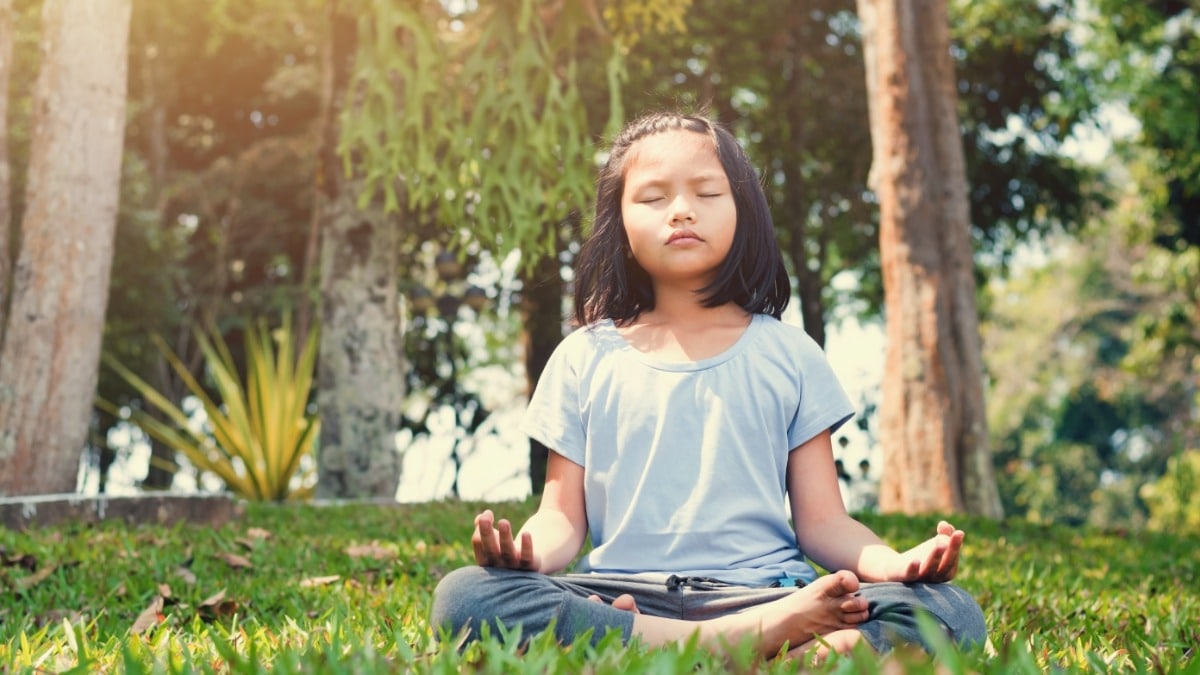
Mindfulness with kids works best in small, repeatable moments you can build into your day. It comes in many different forms, ranging from taking deep breaths to learning to listen to the body’s signals. It also gives you a way to actively help your child slow down, recognize their feelings, and respond with greater control in everyday situations. Here are several ways to practice mindfulness with their kids.
Improves Focus and Attention
Mindfulness gives your child a simple way to bring their attention back when it drifts. Instead of constantly saying “pay attention,” you can teach them to notice when their mind wanders and return to something concrete, like their breath or what they hear around them.
Over time, this builds the habit of catching distractions early. That shows up during homework when they stay with a task longer, during conversations when they listen, and during play when they stick with one activity instead of bouncing between things.
Reduces Daily Stress
Kids feel stress just like adults, but they don’t always know how to release it. Mindful activities such as deep breathing or quiet coloring help your child learn to calm their body and thoughts.
Try adding small practices into your routine:
- Take three slow breaths before bedtime
- Pause for a “quiet minute” after school
- Practice noticing five things you can see or hear
When kids learn how to reset in the moment, they’re less likely to carry that tension into meltdowns, arguments, or shutdowns later on.
Strengthens Your Connection
Mindfulness works even better when you practice it together. These shared moments help you slow down and connect, no matter how busy your day is. You create a sense of calm that your child begins to expect and trust.
When you build a routine, you also model healthy coping skills, making it one of the most valuable reasons to practice mindfulness with your kids. By watching you, your children learn how to do it. It shows them what it means to pause, regulate emotions, and handle stress in a calm, steady way.
Helps Break Unhealthy Habits
Many habits, like thumb sucking or nail biting, occur without awareness. Mindfulness helps kids slow down enough to notice what their body is doing in the moment. Once they recognize the habit, it becomes much easier to gently redirect it.
Instead of constant reminders, you can introduce calming rituals like deep breathing, holding a favorite object, or using quiet hands. Over time, mindfulness becomes one of the most effective distraction techniques to help end thumb sucking because it replaces the habit with something soothing rather than just trying to stop it.
Builds Emotional Awareness
Kids often react physically before they understand what they feel. Mindfulness helps them pause and notice what’s happening in their body, like a tight chest, clenched fists, or a racing heartbeat, before it turns into a meltdown.
When a child connects those physical cues to words like “frustrated” or “overwhelmed,” they gain a sense of control instead of acting on impulse. That shift makes it easier for you to step in and guide them, rather than constantly reacting after behavior escalates. Your child begins to recognize patterns in their reactions, which makes it easier to pause and choose a calmer response instead of escalating.