Moving into a new home gives you the chance to shape your outdoor space exactly how you want it. Your garden doesn’t have to follow a standard layout or look like everyone else’s. You can turn it into a place where you relax, entertain, or spend time with family, all while reflecting your personal style.
When you approach your garden with intention, every choice helps create a space that feels comfortable and truly yours.
Start With How You Want to Use the Space
Before you buy plants or furniture, take a step back and think about how you want to use your garden. This decision will guide everything else.
Some people want a calm retreat where they can unwind after a long day. Others prefer a social space for hosting friends and family. You might also want a mix of both. Once you decide how you’ll use the space, you can design around those priorities instead of guessing.
If you enjoy gardening as a hobby, you can dedicate more space to planting beds. If you prefer low effort, you can lean toward simple layouts and easy-care plants. Matching your design to your lifestyle keeps your garden practical and enjoyable.
Create Zones That Give Your Garden Structure
You can make your garden feel more organized and spacious by dividing it into different zones. Each area should have a clear purpose, which helps the entire space feel more intentional.
For example, you might set up a dining area near the house, a lounging spot in a shaded corner, and a planting area along the edges. Even a small garden can benefit from this approach. You don’t need walls or barriers; simple changes like different ground materials or planters can separate each section.
Paths and walkways also help connect these zones. When you guide movement through the space, your garden feels easier to navigate and more thoughtfully designed.
Choose Plants That Match Your Personality
Plants shape the overall look and feel of your garden. Instead of choosing random varieties, think about what appeals to you visually and practically.
If you like a clean and modern look, you can use structured plants such as trimmed hedges or ornamental grasses. If you prefer a softer and more relaxed style, mix different heights, textures, and colors to create a natural feel.
You can also make your plant choices more personal by including flowers or greenery that have meaning to you. Some people grow herbs or vegetables they use in cooking, while others focus on native plants that support local wildlife. These choices make your garden feel more connected to your daily life.
Give your plants enough space to grow. When you overcrowd them, your garden can quickly feel messy and harder to maintain.
Add Decor That Feels Like an Extension of Your Home
Decor plays a big role in making your garden feel finished. It helps connect your indoor and outdoor spaces so everything feels cohesive.
You don’t need a lot of decorations to make an impact. A few well-chosen pieces can go a long way. For example, outdoor rugs can add color and warmth, while decorative pots can bring personality to your plant arrangements. Small water features or subtle ornaments can also introduce interest without overwhelming the space.
Try to match your decor with your home’s interior style. If your home leans modern, choose clean lines and simple materials. If you prefer a rustic look, natural wood and earthy tones will feel more appropriate.
Design Comfortable Seating Areas
Your garden should invite you to sit down and stay awhile. Comfortable seating makes that possible.
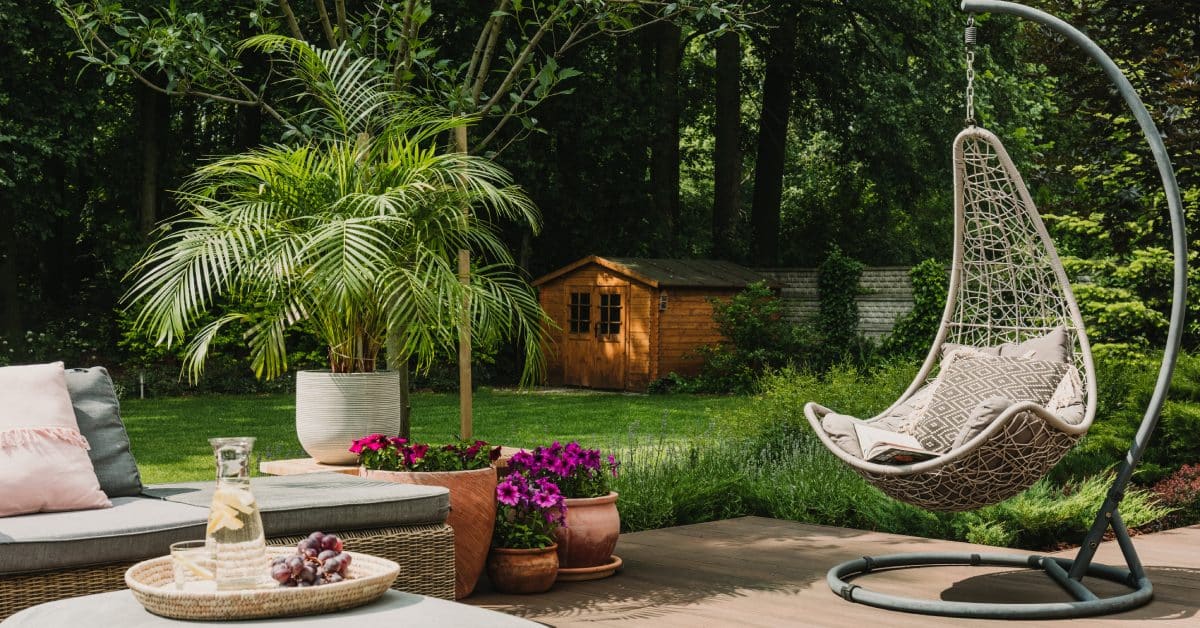
Think about how many people you want to accommodate and how you plan to use the space. A small bench might work for quiet moments, while a larger seating arrangement suits gatherings. Outdoor sofas, lounge chairs, or even built-in seating can all work depending on your layout.
Cushions and soft furnishings make a big difference. Choose weather-resistant materials so they last longer and require less maintenance. Place your seating in spots that feel natural, such as near a focal point or in a shaded area.
Use Lighting to Create Atmosphere
Lighting can transform your garden in the evening. With the right setup, you can extend the use of your outdoor space well beyond daylight hours.
Soft lighting works best for most gardens. String lights can create a relaxed and welcoming mood, while path lights help people move safely through the space. You can also highlight certain features, such as plants or seating areas, with subtle spotlights.
Avoid harsh or overly bright lighting. A gentle glow creates a more comfortable and inviting environment.
Bring in Water for Movement and Calm
Water features add both visual and sensory appeal to your garden. Even a small addition can make a noticeable difference.
You don’t need a large installation to enjoy the benefits. A compact fountain, a wall-mounted feature, or even a simple birdbath can introduce the sound of water and attract wildlife. The movement and sound can help reduce noise from nearby streets and create a more peaceful setting.
Add a Feature That Makes Your Garden Unique
A standout feature can give your garden a strong sense of identity. This element should reflect your interests and make the space feel special.
Some homeowners choose to install a garden model railway that winds through plants or along pathways. This kind of feature adds movement and creativity while giving you something interactive to enjoy over time.
Other options include a fire pit, a pergola, or a vertical garden wall. The key is to pick something that excites you and fits naturally within your overall design.
Use Color With Intention
Color influences how your garden feels, so it helps to plan it carefully. You don’t need a wide range of colors to create an appealing space.
A simple palette often works best. You can choose one main color and support it with a few complementary tones. Matching plant colors with furniture or decor can also create a cohesive look.
Seasonal plants give you the chance to refresh your garden throughout the year. By rotating blooms, you can keep your space looking lively without making major changes.
Create Privacy Without Blocking Everything Off
Privacy helps you feel comfortable in your garden, especially if you live close to neighbors. You don’t need to rely on solid walls or tall fences.
Plants can provide a natural solution. Tall hedges, climbing plants on trellises, or layered greenery can create a sense of seclusion without making the space feel closed in. Screens or panels can also help while still allowing light and airflow.
These solutions add texture and greenery while improving your comfort.
Creating a Garden Perfect for You
Personalizing your garden gives you the freedom to create a space that reflects your lifestyle and taste. You can shape it into a place where you relax, connect with others, and enjoy being outside.
Focus on what matters most to you and build from there. With thoughtful choices and a bit of creativity, your garden can become one of the most enjoyable parts of your new home.