
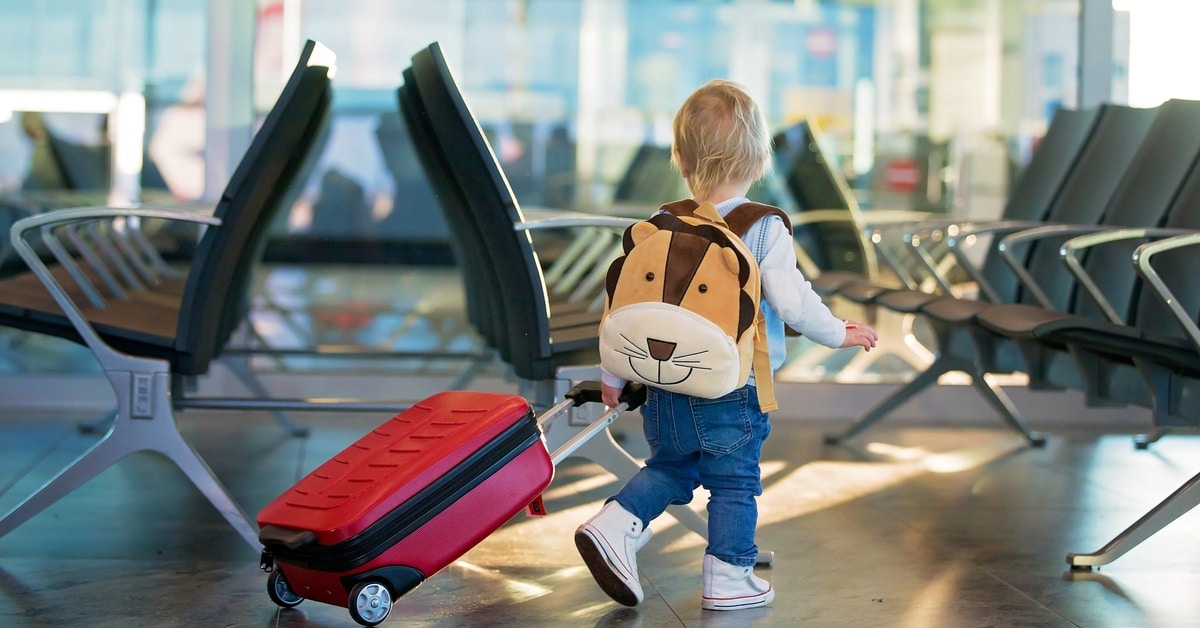
Travel sounds exciting when you picture the destination. Getting there with kids brings another layer to the experience, since new surroundings and disrupted routines can put extra pressure on children before the vacation begins.
You don’t need a perfectly planned vacation to make the journey easier. When you focus on keeping kids comfortable when traveling, you can help them handle unfamiliar situations while enjoying the adventure. A few thoughtful choices can create a calmer experience for your family.
Prepare Your Child for What Travel Looks Like
Kids handle new experiences better when they know what’s coming. Before you leave, talk through the parts of the travel day that will look different from life at home, focusing on what your child will notice most.
For a flight, explain that you’ll wait at the airport before getting on the plane. Talk about what the cabin looks like and how long you expect to stay there. For a road journey, explain that you’ll spend a long stretch in the car before stopping for a break.
You can also mention that plans sometimes change. A flight delay or longer restaurant wait won’t seem as surprising when your child already knows those things happen during travel. Keep the conversation relaxed so your child sees an unfamiliar experience as something your family can handle together.
Bring Pieces of Home Into the Journey
A different environment brings plenty to explore, but children still appreciate objects they already know. A favorite stuffed animal or blanket gives your child something recognizable when their surroundings and daily schedule have changed.
Think about what your child reaches for during quiet moments at home. One meaningful comfort item takes up little suitcase space while still giving your child a connection to their normal routine. That connection goes a long way toward keeping kids comfortable when traveling, especially during bedtime or long stretches away from home.
Sleep deserves extra attention because a hotel room comes with different lighting and noises. Bringing the pillowcase your child uses at home gives the bed a recognizable touch. If your family reads together before bed, continue that routine so your child knows the day has ended.
Give Your Child Simple Choices
Adults make most travel decisions, which means kids spend much of the day following someone else’s plans. Small choices give your child some ownership without forcing you to change the schedule.
You could let your child choose which shirt to wear on the plane. Later, they could select the book you’ll read during a quiet break. Keep each decision limited to two reasonable options so an exhausted child doesn’t have another complicated decision to process.
You can use the same idea when tension starts building. Instead of demanding an immediate behavior change, give your child a practical next move. Learning how to replace stressful behaviors can help you respond more constructively when your child struggles with frustration during travel.
Protect Time for Movement and Quiet
Travel days ask kids to sit for long stretches, especially when you’re driving or flying. By the time you reach your destination, your child may have spent hours without enough room to move naturally.
Look for easy opportunities to get moving. Walking through the airport terminal before boarding gives your child time away from the gate chair. During a road journey, a rest stop lets everyone stretch before getting back into the car.
Quiet time deserves space in your schedule too. Vacations quickly fill with activities, yet children still need breaks from stimulation. Returning to your room for a calm hour gives your child time to reset before the next activity.
Keep Food and Water Within Reach
Hunger can turn a minor frustration into a much harder moment. Meals also become unpredictable when you’re moving through airports or exploring somewhere new, so having food nearby gives you one less problem to solve.
Pack a snack your child already enjoys instead of depending entirely on what you find along the way. Travel day isn’t the best time to discover that the only available airport snack is something your child refuses to eat. Offer water during natural pauses too, since kids may forget to drink while a new environment holds their attention.
Try to keep meals reasonably close to your home schedule when your plans allow it. You don’t need to watch the clock all day. You simply want to avoid having an extremely hungry child while you’re still looking for somewhere to eat.
Make Room for Big Emotions
Even a wonderful vacation can overwhelm a child. New sounds and different expectations require extra adjustment, while time away from a normal routine adds another challenge. A meltdown during travel doesn’t mean the vacation has gone wrong.
When your child gets upset, look at what’s happening around them. Exhaustion may explain the reaction, while a noisy environment may push an already tired child past their limit. Identifying the source gives you a useful next move instead of focusing entirely on stopping the behavior.
You also don’t need to solve every emotion immediately. Your child may need a quiet place before they’re ready to talk. Sitting together away from a crowded area reduces the activity they need to process and gives them time to settle.
Leave Breathing Room in Your Schedule
A packed itinerary may look exciting before you leave home, but kids don’t always move at vacation speed. They need time to wake up in a new place and transition between activities without rushing through the day.
Build extra time around the parts of your schedule that require moving from one place to another. If getting out of the hotel takes longer than expected, that extra space keeps a minor delay from putting pressure on everyone. You also gain room to stop when your child needs a break.
Pay attention to your own pace as well. Kids notice when adults rush from one task to the next, which can make a difficult transition harder. Giving your family extra time lets you respond to what’s happening instead of constantly watching the clock.
Let Your Child Settle into the Destination
Arrival doesn’t always mean your child wants to jump straight into vacation mode. After hours in a car or plane, they may need time to understand the new space before heading out again.
Give your child an opportunity to settle into the hotel room or rental. Let them look around and find where their belongings will stay. That pause gives the new environment some context before another activity begins.
The same idea works when you visit a busy attraction. Your child may want a moment to watch what’s happening before joining in, especially when the space has lots of noise or people. Giving them that pause creates an easier starting point for the experience ahead.
Let Comfort Stay Part of the Adventure
You don’t have to remove every difficult moment from family travel. Kids will grow tired, and plans will change. A meal may go badly, while a night in an unfamiliar room may bring less sleep than anyone wanted.
Preparation gives your child context before you leave, while small choices give them some control along the way. Breaks also create room to recover when the day becomes overwhelming. These choices fit naturally into family travel without demanding a rigid schedule.
Family travel doesn’t need to run perfectly for your child to enjoy it. When you leave space for their needs alongside your plans, everyone gets more room to enjoy the destination and the time you spend together.


