

Your family reaches the trailhead, and one child asks when you’re going back to the car. You haven’t even made it past the map! If this sounds familiar, a beautiful view alone won’t convince your kids to walk three miles to see it.
If you’re wondering how to explore scenic trails with kids who hate hiking, stop treating a long walk as the price of admission. Plenty of outdoor routes offer different ways to enjoy the scenery. A little planning helps your family get fresh air without spending the afternoon negotiating over every step.
Choose Boardwalks With Something Worth Seeing
Some kids dislike hiking because they hate stepping over roots or scrambling across rocks. Boardwalk trails solve much of the problem with a smooth path underfoot. Look for wetlands with observation decks or forest boardwalks leading to a quiet pond. The scenery changes as you move, so children have something to watch along the way.
Check the actual distance before you leave home. A half-mile loop with a wildlife viewing platform often works better than a two-mile boardwalk with no place to stop. If you’re bringing a stroller, check whether the route includes steps. A wooden walkway doesn’t automatically mean it’s stroller-friendly.
Rent Bikes for a Scenic Rail Trail
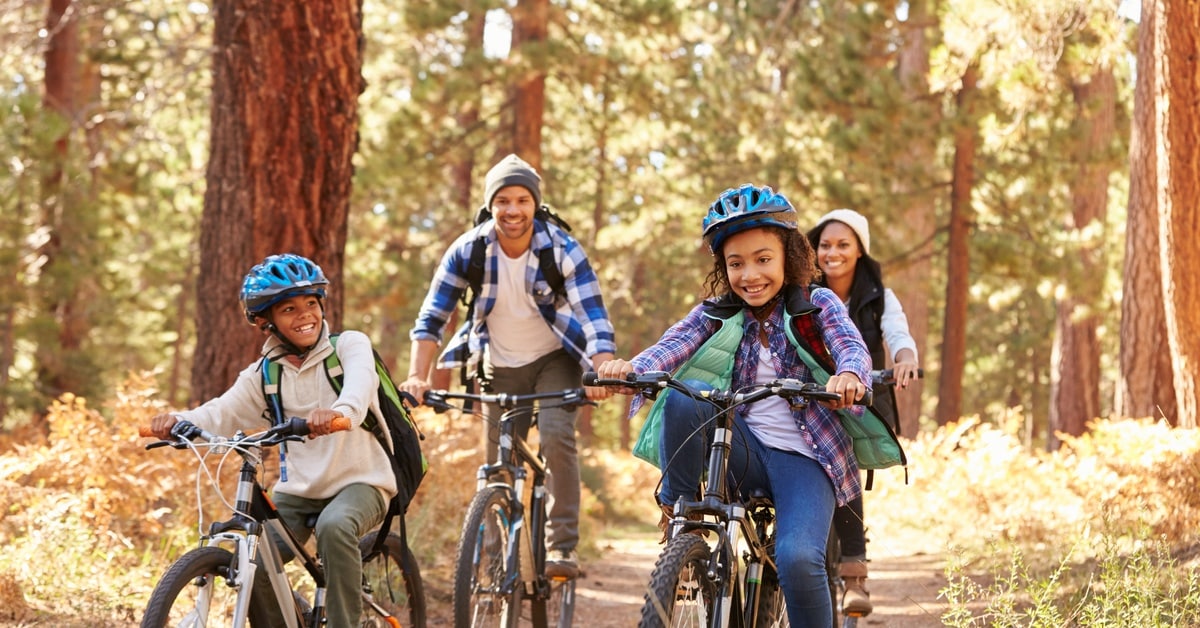
A two-mile walk sounds exhausting to a child who doesn’t enjoy hiking. Riding the same distance on a bike, however, can sound like an adventure. Many rail trails follow old railway corridors, so their gentle slopes suit families who want a relaxed ride rather than a workout.
Choose a route with a clear turnaround point, preferably near a rest area. Check the surface before booking rentals because loose gravel feels different from pavement, especially for younger riders. If one child isn’t ready to pedal independently, ask rental shops about appropriate child seats or trailers. Remember, everyone should wear a properly fitted helmet!
Let a Park Shuttle Handle the Long Climb
Some scenic destinations offer a shuttle that takes visitors close to an overlook or popular nature stop. For kids who complain about uphill walks, this changes the whole outing! They still get to explore once they arrive, but they don’t spend all their energy reaching the starting point.
Look at the park’s transportation map before promising a particular view. Shuttles sometimes operate only during busy seasons, and stops don’t always sit beside the attraction. Check the final return trip, too. You don’t want to find out the last bus has left after everyone has finished admiring the scenery!
Turn a Short Trail Into a Treasure Hunt
Kids often need a reason to walk beyond the promise of fresh air. Give them a mission on a short nature loop and let the walk become part of the activity. A simple photo hunt works well because no one needs to collect anything.
Try a few challenges as you go:
- Find a tree with bark shaped like puzzle pieces.
- Photograph a reflection in a puddle or pond.
- Spot a bird and watch where it lands.
- Look for a trail marker before the next turn.
Let Your Child Lead the Way
Hand your child the trail map at each marked junction and ask them to find the next stop. You still make the safety decisions, but they get a sense of control. For some kids, choosing where to turn makes the walk more interesting than reaching the finish.
See Lakeside Trails From the Water
If your destination has a shoreline path, look for a way to explore the same area from the lake. A guided canoe outing or a calm-water paddle gives the family a different view of the trees along the bank. Kids who dislike walking might enjoy watching the shoreline move past from a boat.
Always ask the operator about age limits and whether younger children need an adult beside them. Always ensure that everyone has a properly fitted life jacket. If paddling sounds stressful, look for a short guided boat tour instead. You still spend time outdoors without turning the day into an endurance test.
Try a Short Horseback Trail Ride
Horseback riding offers another way to enjoy wooded paths without asking children to hike for miles. Look for a stable with beginner rides on gentle terrain and guides who stay close to the group. A shorter ride is usually less stressful for nervous first-timers!
Ask about age requirements before you book. You should also find out how the stable matches riders with horses. Even a small detail, like checking whether your saddle pad fits your horse’s back, can help both you and the animal feel comfortable. The staff should handle equipment checks and explain what riders need to know.
Follow Wildlife Instead of Mileage
Children who get bored walking sometimes perk up when they have an animal to look for. Choose a nature preserve with a bird blind or a riverside trail where visitors often see turtles. The possibility of spotting something gives the outing a purpose beyond reaching the end of the path!
Visit When Wildlife Is More Active
Early morning often offers better birdwatching than a hot afternoon. Ask the nature center which short routes have had recent sightings. Bring binoculars if you have them, and remind children to observe from a distance. No animal needs to appear for the outing to count as a success. The search itself gives everyone a reason to slow down and notice their surroundings.
Make the Turnaround Point a Destination
A child who hates hiking might happily walk fifteen minutes to a stream where they get to eat lunch. Choose a short trail that ends at a waterfall overlook or a shaded picnic spot. Tell your kids where you’re headed before you start so they know what they’re working toward.
When estimating distance, pay attention to the return trip. A thirty-minute walk out means another thirty minutes back, and tired legs still have to cover the same ground. Always pack enough water for everyone and allow time to sit before heading home!
End the Outing While Everyone Still Feels Good
You don’t have to turn every outdoor adventure into an achievement. If your child enjoys twenty minutes on a boardwalk, finish there rather than stretching the trip until someone cries. Short outings help children build confidence and leave them more willing to go again.
As you explore scenic trails with kids who hate hiking, pay attention to what keeps each child interested. One might love a bike ride, while another might want to watch birds by a pond. Follow those preferences. The goal is to share a pleasant day outside and come home with memories everyone enjoyed making.