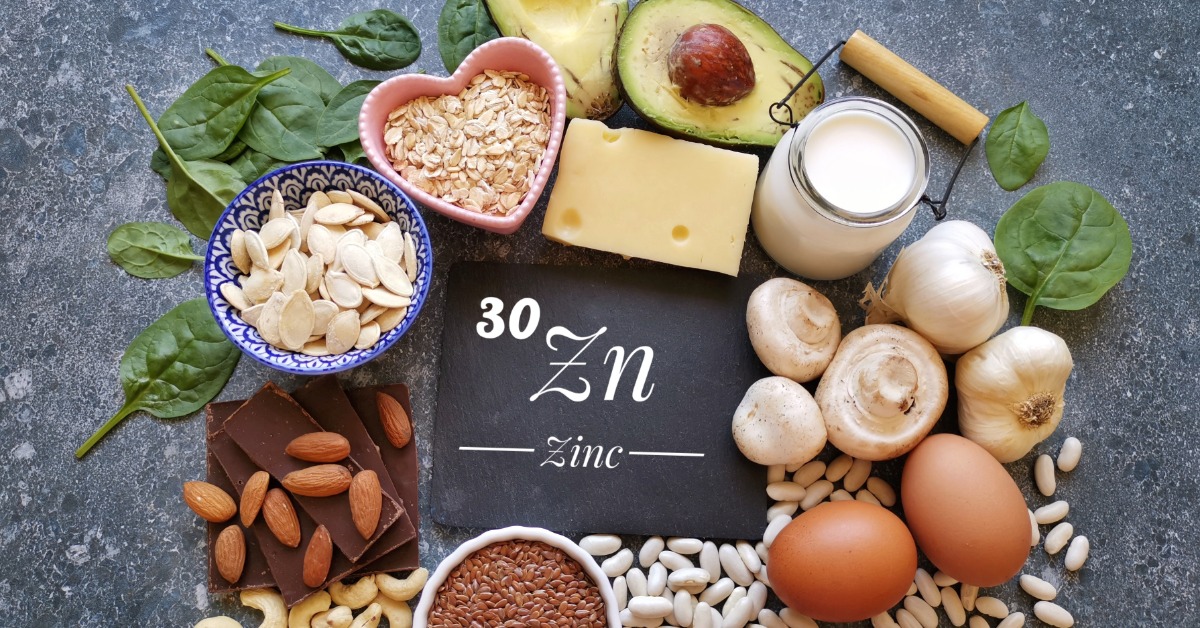
Zinc may not get the same attention as vitamin C, calcium, or iron, but this essential mineral quietly supports some of the body’s most important everyday functions. It is vital to immune function, helps the body make proteins and DNA, and supports normal wound healing. Because the body does not maintain a storage system for zinc, a steady dietary supply matters.
For busy moms, getting enough zinc does not require an elaborate meal plan or a cabinet full of supplements. Many familiar foods contain it, and small changes to breakfast, lunch, snacks, or dinner can make a meaningful difference. In this guide, we’ll explain to moms why and how they should incorporate more zinc into their diets.
Why Your Body Needs Zinc
Zinc is a trace mineral, which means the body needs it in relatively small quantities. Small, however, does not mean unimportant.
The mineral contributes to numerous chemical reactions in the body. It supports normal immune responses and cellular growth, and it helps the body create genetic material and proteins. Zinc also contributes to wound healing and the senses of taste and smell.
That broad range of responsibilities makes adequate zinc intake important in adulthood. It can become especially worth thinking about during pregnancy, breastfeeding, periods of dietary change, or seasons when maintaining healthy eating habits feels more challenging.
Zinc and Immune Function
Zinc connects closely with the normal development and activity of immune cells. Being deficient can interfere with healthy immune function, but that does not mean taking increasingly large quantities will create an increasingly strong immune system.
Food-first nutrition provides a more balanced approach for most healthy adults. Adding foods rich in zinc helps your body protect itself better and ward off illness. Zinc is also one of the best supplements for cold and flu, so if you struggle with getting sick regularly during the season, prioritizing more zinc can provide a boost of defense.
How Much Zinc Do You Need?
According to the National Institutes of Health (NIH) Office of Dietary Supplements, the Recommended Dietary Allowance for adult women is 8 milligrams per day. Pregnancy increases that recommendation to 11 milligrams, while breastfeeding raises it to 12 milligrams per day.
Individual needs can vary, particularly when health conditions or medications affect nutrient absorption. Anyone concerned about deficiency should discuss it with a qualified healthcare professional rather than relying on symptoms alone.
For healthy adults, the upper intake level is 40 milligrams of zinc per day from a combination of food, beverages, supplements, and medications. Consistently consuming excessive supplemental zinc may cause side effects such as nausea or digestive discomfort.
The Best Foods for Zinc
We know why you should incorporate more zinc into your diet, but how should you do it? Adding more zinc-rich foods to the family menu is easier than you may expect. Zinc appears in both animal and plant foods, which gives households flexibility based on taste, budget, and dietary preferences.
Oysters are excellent sources of zinc. Beef and other meats also contain high amounts, while seafood, eggs, and dairy products can contribute to daily intake.
Plant-based options include beans, nuts, whole grains, and seeds. These foods can fit naturally into meals that many families already prepare.
For example, beans can go into soups, tacos, grain bowls, or salads. Nuts and seeds work well in oatmeal or yogurt. Whole-grain toast can provide a simple base for eggs, nut butter, or other nutrient-dense toppings.
What Plant-Based Eaters Should Know
Plant foods can provide meaningful amounts of zinc, but the body does not absorb zinc from all foods equally.
Beans, nuts, seeds, and whole grains contain compounds called phytates. Phytates can bind to minerals in the digestive tract and reduce zinc absorption. As a result, vegetarians and vegans may need to pay closer attention to their dietary sources.
That does not make plant-based eating incompatible with adequate zinc intake. Variety matters. Regularly eating legumes, seeds, nuts, fortified foods, and whole grains can help create a stronger nutritional foundation.
Easy Ways to Get More Zinc During a Busy Week
Nutrition advice works best when it survives real life. Between school schedules, work, errands, travel, and everything else in a family calendar, complex food rules are unlikely to last.
Instead, look for places where zinc-containing foods can slide into meals you already make.
Add pumpkin seeds or chopped nuts to morning oatmeal. Use beans as a filling for tacos or wraps. Serve eggs for a quick breakfast-for-dinner night. Choose yogurt as a snack if dairy works for your household. Add seafood or lean meat to meals when those foods fit your preferences.
For plant-forward households, rotating lentils, chickpeas, beans, seeds, and fortified foods can provide more variety without requiring an entirely different menu for each family member.
Can You Get Too Much Zinc?
Getting excessive zinc from food alone is uncommon. Supplements make high intake much easier, particularly when someone takes a standalone zinc product along with a multivitamin, immune-support formula, or another fortified product.
The NIH notes that too much zinc can cause nausea, headaches, dizziness, vomiting, reduced appetite, and stomach discomfort. Consuming 50 milligrams or more for weeks can also disrupt copper absorption and affect immune function.
This is one area where reading labels makes a real difference. Before adding a zinc supplement, check how much zinc is already coming from other supplements or medications.
When a Zinc Supplement Might Make Sense
A supplement can be useful when diet alone does not reliably meet nutritional needs, but supplementation should fill a genuine gap rather than replace balanced eating.
People with certain gastrointestinal conditions may have difficulty absorbing enough zinc. Those following highly restrictive diets may also need closer attention to intake. A healthcare professional can help assess individual risk and determine whether testing, dietary changes, or supplementation makes sense.
If a supplement is appropriate, more is not necessarily better. Look at how much the elemental zinc the label lists, consider zinc from other products, and stay mindful of the upper limit unless a medical professional advises otherwise.
Make Zinc Part of the Bigger Nutrition Picture
Zinc deserves a place in a well-rounded diet, but it does not need to become another nutrient to obsess over.
A varied eating pattern can supply zinc alongside the other vitamins and minerals the body needs. For most people, the simplest approach is also the most realistic: build balanced meals, vary food choices, and use supplements thoughtfully when there is a clear reason for them.
Zinc may be a trace mineral, but paying a little more attention to it can help support the everyday systems that keep the body functioning at its best.