

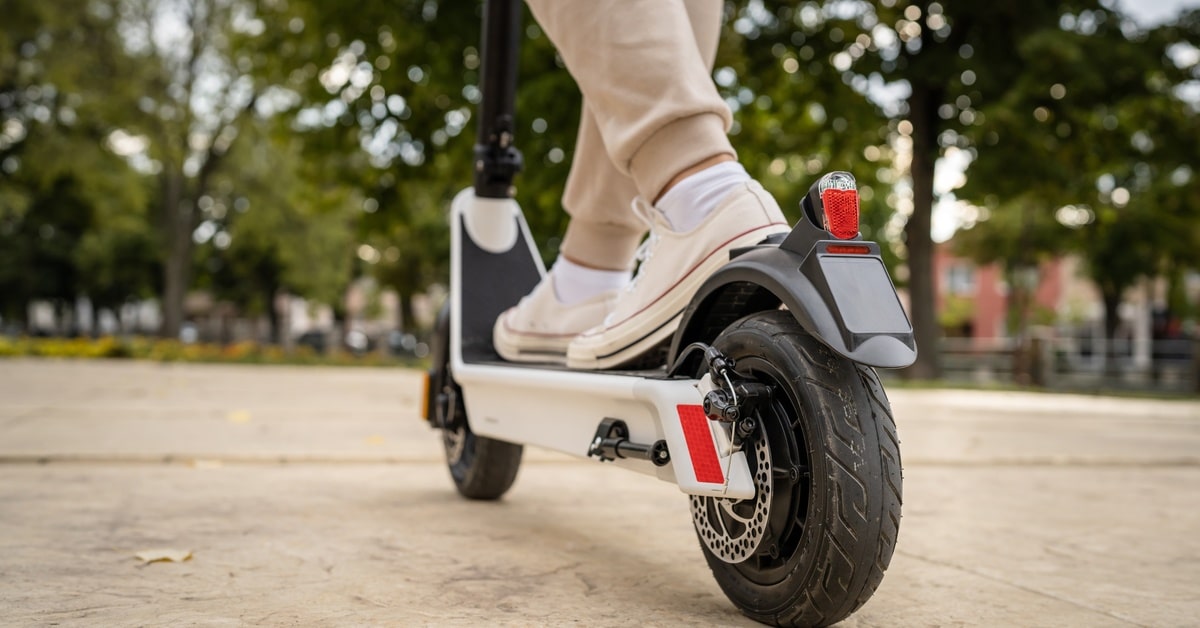
An e-scooter can give your child more independence, but it also brings risks that deserve careful attention. Understanding e-scooter safety tips all parents should know can help you choose a reliable model, set clear riding rules, and reduce preventable hazards. Before buying, look closely at speed, battery quality, protective gear, local regulations, and your child’s readiness to ride responsibly.
Start With the Rider
An e-scooter can give a teen more independence and make short trips easier, but the purchase involves more than speed and style. Parents need to consider maturity, balance, traffic awareness, and a willingness to follow rules. A rider who ignores helmet rules or darts across driveways won’t become safer because the scooter includes bright lights. Before you shop, discuss where your child will ride, which low-traffic routes offer good visibility, and what behavior will end the privilege.
Choose the Right Model
Check the manufacturer’s age, height, and weight recommendations. Choose a scooter your child can control without stretching for the handlebars or struggling with its weight. Faster models can tempt inexperienced riders to take risks, so select a reasonable top speed and look for a beginner mode. Test the brakes, throttle response, lights, bell, tires, and folding latch before the first ride.
Buy from a reputable seller and confirm that an independent safety organization certifies the scooter’s electrical system and battery. A bargain from an unknown seller may lack dependable customer support, compatible replacement parts, or clear safety instructions.
Take Battery Safety Seriously
Lithium-ion battery fires are on the rise, so parents should examine charging and storage habits before bringing an e-scooter home. Use the charger that comes with the scooter, and replace equipment that shows damage only with compatible parts from the manufacturer. Charge the scooter on a hard, dry surface away from exits, beds, couches, and other flammable items. Stay nearby while the battery charges, unplug the charger when the battery reaches a full charge, and never charge a hot, swollen, cracked, or wet battery.
Watch for unusual heat, hissing, leaking, smoke, or a sharp odor. Move everyone away and call emergency services if the battery shows signs of fire. Don’t touch or carry a burning scooter.
Set Clear Riding Rules
Your child should wear a helmet that fits properly on every ride, even during a quick trip around the block. Add closed-toe shoes and visible clothing. Allow only one rider, keep both hands available for steering, and ban phone use while the scooter moves. Teach your child to slow down near pedestrians, driveways, intersections, wet pavement, gravel, and cars along the curb.
Check local rules before your child rides on streets, bike lanes, sidewalks, or park paths. Different communities set different age, speed, and access limits. Plan routes together and avoid heavy traffic whenever possible.
Maintain the Scooter
Inspect tire pressure, tread, brakes, lights, bolts, cables, and the folding mechanism each week. Clean dirt from moving parts and address new noises or loose components immediately. Stop using the scooter after a hard crash until you check the frame, steering, wheels, and battery casing.
Make Safety Part of the Purchase
The safest e-scooter won’t help if a child treats the rules as optional. Choose the scooter together, review the manual, practice in a quiet area, and set firm boundaries before independent rides begin. A thoughtful purchase pairs the right equipment with responsible habits, regular maintenance, and ongoing conversations about risk.