

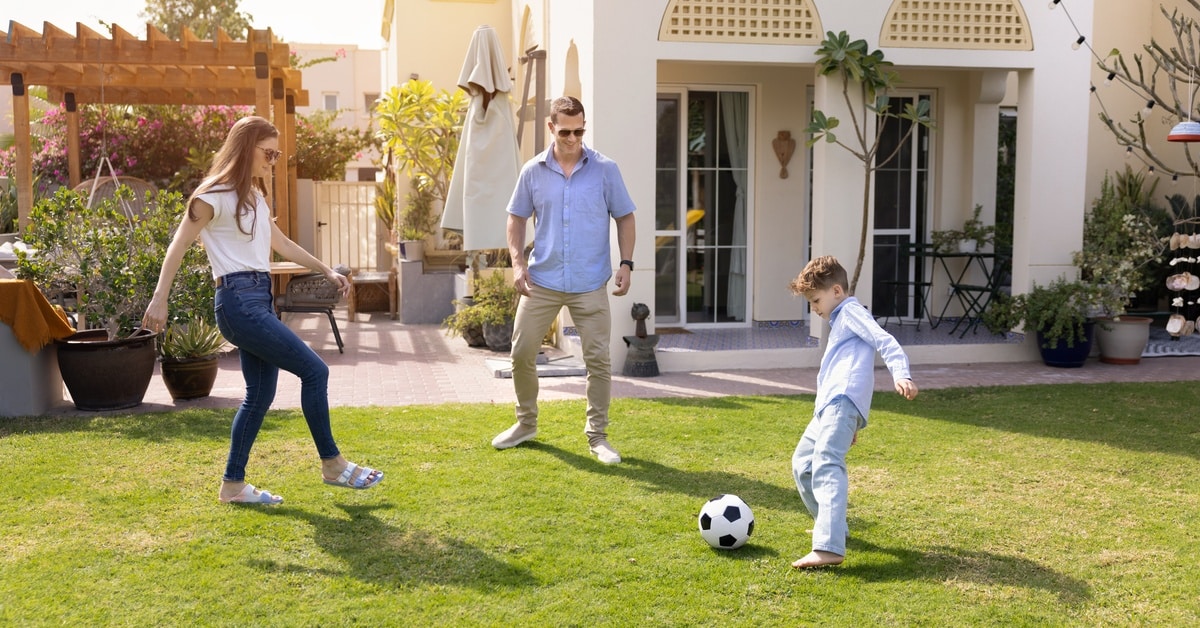
Your backyard should be a comfortable extension of your home, offering space for family activities, relaxation, and spending time outdoors. However, when the layout feels cluttered or different areas don’t connect naturally, even a spacious backyard can become difficult to use. Creating a more practical outdoor environment doesn’t necessarily require major renovations or an expensive redesign.
Some of the most effective ways to improve the flow and function of your backyard involve thoughtful adjustments to furniture placement, landscaping, storage, and existing features. By focusing on how your family uses the space, you can create an inviting backyard that supports everything from children’s playtime to peaceful mornings with a cup of coffee.
Create Designated Areas for Different Activities
A functional backyard should accommodate several activities without making the space feel crowded or disorganized. Dividing your outdoor area into designated zones establishes a natural layout while ensuring everyone has room to enjoy their favorite activities.
Consider creating a dining area near the house for convenient outdoor meals, a comfortable seating area for conversation, and an open section of lawn where children can play. If you enjoy yoga, meditation, or gardening, a quieter corner away from busy gathering spaces provides a welcome retreat.
Outdoor rugs, planters, and furniture arrangements help distinguish these areas without requiring permanent barriers. Keeping the overall design open allows each section to feel connected while serving a specific purpose.
Improve Walkways and Accessibility
The way people move through your backyard has a significant impact on how comfortable and functional it feels. Narrow walkways, poorly positioned furniture, and disconnected activity areas create obstacles, particularly when children are playing or guests are visiting.
Start by identifying the routes your family uses most frequently, such as the path between your back door, patio, garden, and play area. Steppingstones, gravel paths, or paved walkways can establish clear connections while protecting grass from repeated foot traffic.
Arrange furniture to leave comfortable walking space around tables and seating areas, and avoid placing decorative features where they interrupt movement. For families with younger children, maintaining clear sightlines between adult seating and play spaces also makes outdoor supervision easier.
Update Existing Backyard Features
Before adding new features, evaluate whether your current outdoor spaces could become more useful with a few targeted improvements. An older patio might benefit from updated seating, additional shade, or improved lighting, while a deck could become more versatile with built-in storage or a dedicated dining area.
If your backyard includes a swimming pool, consider how its design and surrounding space contribute to the overall layout. Updating worn surfaces, improving entry points, or adjusting the surrounding deck can make the area more comfortable and accessible.
Well-planned pool renovations that improve backyard functionality can also help an existing swimming area integrate more naturally with nearby seating and gathering spaces. The goal is to make existing features work better for everyday activities rather than introducing changes that simply take up additional room.
Choose Comfortable, Multipurpose Furniture
Outdoor furniture plays an important role in determining how efficiently your backyard functions. Oversized pieces make smaller spaces feel cramped, while furniture that doesn’t suit your family’s activities may go largely unused.
Choose pieces that match how you spend time outside, whether that means a dining table for family meals, lounge chairs for relaxing, or lightweight seating that can be rearranged when guests visit. Multipurpose furniture is particularly useful because it provides flexibility without creating clutter.
Storage benches can hold cushions and outdoor toys while offering additional seating, and folding tables can be put away when extra floor space is needed. Durable, weather-resistant materials are also practical for busy households because they simplify maintenance and withstand regular use.
Add Shade for Greater Comfort
Adequate shade makes a noticeable difference in how often your family enjoys the backyard, especially during warmer months. Areas exposed to direct sunlight may become uncomfortable during the afternoon, limiting opportunities for outdoor meals, relaxation, and play.
Patio umbrellas, pergolas, retractable awnings, and strategically planted trees provide relief from the sun while adding visual interest. Consider placing shade near frequently used seating and dining areas, along with spaces where children spend time playing.
Because sunlight shifts throughout the day, observe which areas receive the most exposure before deciding where coverage is needed. A shaded corner can also become an inviting place for reading, stretching, or meditating, although sunscreen and other sun protection remain important.
Keep Storage Organized and Convenient
A backyard can quickly become cluttered with gardening equipment, sports gear, outdoor cushions, and children’s toys. Without practical storage, these items often accumulate around patios and walkways, making the space appear smaller and more difficult to maintain.
Weather-resistant cabinets, storage benches, and small garden sheds keep belongings protected and organized. Position storage close to where items are regularly used so putting everything away feels convenient rather than time-consuming.
For example, keeping toy containers near the play area and gardening supplies near planting beds can simplify daily cleanup. Choosing storage solutions that complement your outdoor furniture and landscaping also helps maintain a cohesive appearance.
Use Landscaping To Define Spaces Naturally
Landscaping can improve backyard organization while creating a more peaceful and welcoming atmosphere. Plants, shrubs, and garden beds establish subtle boundaries between activity areas without making the yard feel divided.
Tall ornamental grasses or shrubs provide privacy around seating areas, while raised garden beds separate a relaxing corner from an active play space. Flowering plants and greenery also soften hard surfaces and make outdoor gathering areas feel more inviting.
Choose plants suited to your climate, available sunlight, and maintenance preferences to avoid creating unnecessary upkeep. For busy families, low-maintenance landscaping offers an attractive balance between natural beauty and practicality.
Make Outdoor Spaces Enjoyable in the Evening
Thoughtful lighting allows your family to continue enjoying the backyard after sunset while making frequently used areas easier to navigate. Rather than illuminating the entire yard, focus on walkways, steps, dining spaces, and seating areas where additional visibility is most beneficial.
Solar pathway lights, outdoor-rated string lights, and subtle landscape lighting create a welcoming atmosphere without overwhelming the space. Comfortable seating and soft lighting also transform an underused patio into a relaxing evening retreat. Keep electrical cords away from walking routes and choose fixtures designed for outdoor conditions to maintain a practical, family-friendly environment.
Design Around Your Family’s Everyday Routine
The best backyard improvements are those that support your family’s regular activities. Consider whether you need more open space for children, a comfortable place to unwind, or a practical setup for outdoor meals.
When exploring ways to improve the flow and function of your backyard, prioritize improvements that address everyday frustrations and encourage everyone to spend more time outside. Even small adjustments, such as repositioning furniture or creating a dedicated relaxation area, can make your backyard feel more welcoming and easier to use.