

Image credit Unsplash
Bringing a new baby home is a joyful time, but it often means you’ll be seriously short on sleep. While you can’t control your newborn’s schedule, you can set up their nursery to help them sleep longer and more soundly, which means more precious rest for you too. A few thoughtful changes to your baby’s room can make a big difference in how easily they settle down and how long they stay asleep.
These essential nursery organizing tips are designed to create a calm, safe space that encourages better sleep right from the start.
Create a Safe and Soothing Sleep Space
Your baby’s sleep spot is the most important part of the nursery. The American Academy of Pediatrics suggests that babies sleep on their backs on a firm, flat surface, with no soft bedding, bumpers, or toys. For the first few months, many parents find it easiest to keep their baby in their own room. Using the best bedside baby bassinet lets you keep your little one close for nighttime feedings and comfort while still giving them their own safe, separate place to sleep. This closeness can be comforting for both of you, making it easier to respond to their needs without fully waking up.
Master the Art of Darkness and Light
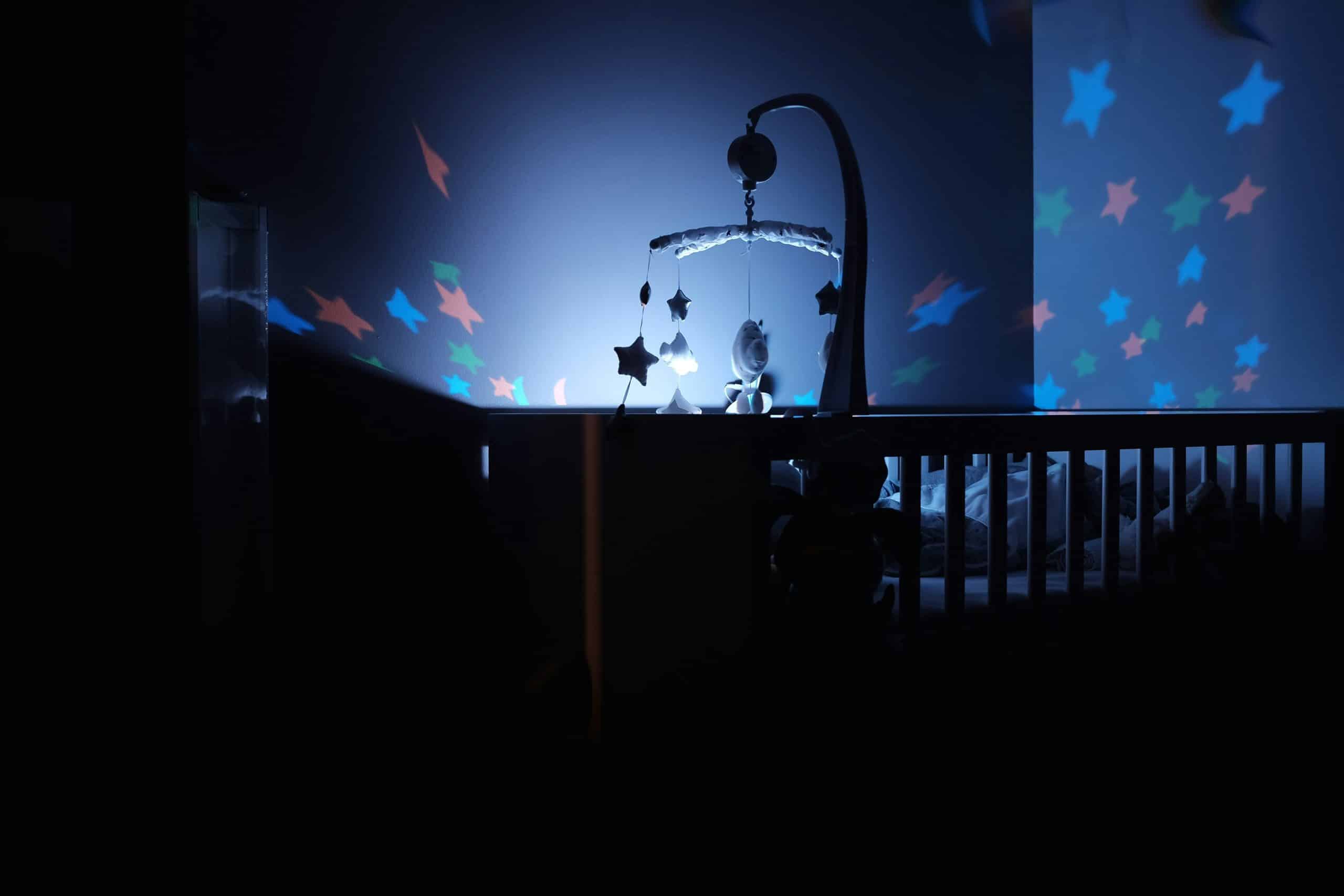
Light tells our brains it’s time to wake up. For a baby who is still figuring out their sleep-wake cycle, controlling the light in their nursery is crucial. Get a good set of blackout curtains to make the room as dark as possible, even for daytime naps. This helps teach your baby that darkness signals sleep, no matter the time. For those necessary middle-of-the-night checks or diaper changes, use a very dim nightlight with a warm, reddish glow. Red light doesn’t mess with melatonin production, the sleep hormone, as much as the blue or white light from a phone or overhead fixture.
Control the Nursery’s Soundscape
A completely silent room can actually make it harder for a baby to sleep. Every little floor creak or distant siren can be startling. A white noise machine is great for creating a steady, soothing sound environment that reminds your baby of being in the womb. This constant hum helps cover up sudden household noises that might otherwise wake them. Put the machine across the room from the crib, not right next to it, and keep the volume moderate, like a soft shower.
Get the Temperature Just Right
A room that’s too hot or too cold can make it tough for anyone to sleep, especially a baby. The best temperature for a nursery is between 68 and 72 degrees Fahrenheit. Overheating is a concern, so it’s better to dress your baby in layers rather than turn up the heat. A lightweight sleep sack over their pajamas is a good way to keep them warm without the risks of loose blankets. Keeping an eye on the room temperature and following safe sleep practices helps everyone rest easier.
Organize for Middle-of-the-Night Ease
When you’re fumbling around in the dark at 3 a.m., you don’t want to be searching for diapers or wipes. A well-organized nursery can make nighttime wake-ups quicker and less disruptive. Set up a changing station with everything you need right at hand: diapers, wipes, diaper cream, and a spare change of clothes. If you’re bottle-feeding, consider setting up a “feeding station” with pre-measured formula and clean bottles ready to go. A thoughtfully arranged baby sleep environment reduces stress and helps you and your baby fall back asleep faster.
Creating a sleep-friendly nursery won’t solve every nighttime challenge, but it builds a strong foundation for good sleep habits. These small, intentional changes can help soothe your baby and give you a little more of the rest you need.