

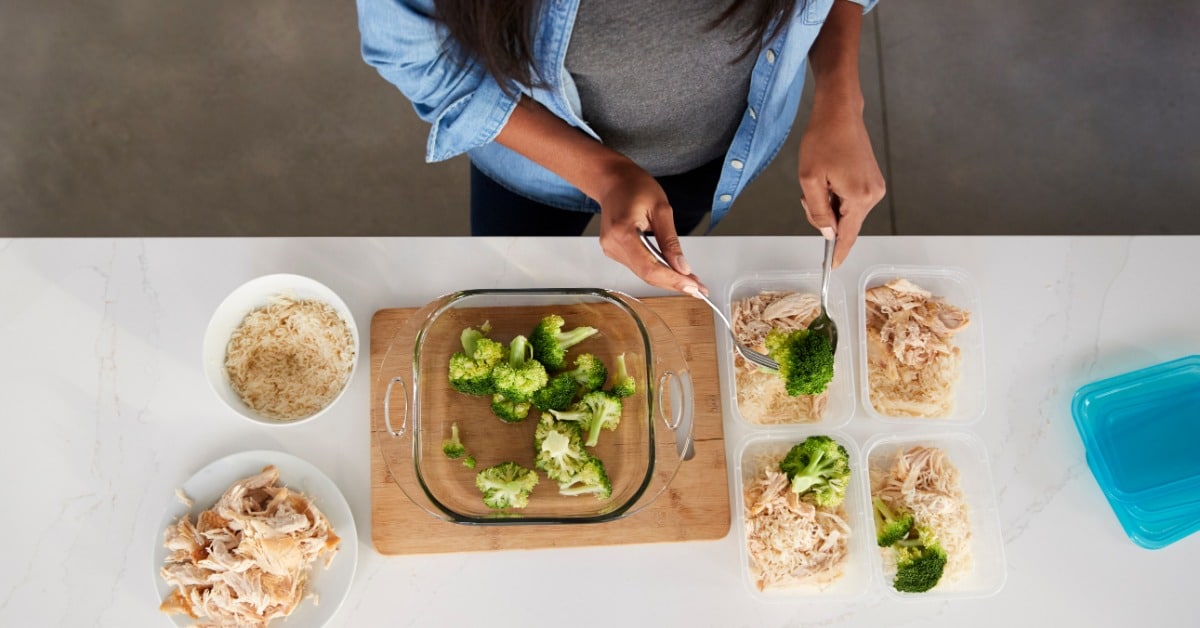
Meal prepping sounds like the perfect answer to hectic weekdays. Cook on Sunday, pack your containers, and enjoy homemade food without starting from scratch every evening. But when Wednesday arrives, that chicken and rice might not look quite as exciting.
Between school schedules, work, and family activities, finding time to cook can feel impossible. But by following our simple tips, you can improve your meal prep recipes for tastier, fresher, and easier meals.
1. Choose Recipes That Reheat Well
Some foods taste wonderful straight from the stove but lose their appeal after refrigeration. Crispy coatings turn soft, and delicate ingredients can dry out.
Pick Reliable Favorites
Start with recipes that hold up well, such as chili, baked pasta, soups, or grain bowls. Roasted chicken and sturdy vegetables also work nicely. For salads, prepare the ingredients ahead and assemble them when you’re ready to eat.
Think about how a dish will taste on day three, not just on cooking day. That simple question can save you from disappointing lunches.
2. Experiment With Seasonings
Eating the same protein all week doesn’t have to mean eating the same flavors.
Change the Flavor, Not the Entire Recipe
Try Italian herbs on one portion of chicken and taco seasoning on another. Add smoked paprika to roasted vegetables, or brighten a grain bowl with lemon.
Keep a few spice blends that your family enjoys within easy reach. You can transform basic ingredients without adding another recipe to your prep session.
Taste your food before packing it, too. A little extra seasoning at the start can make reheated leftovers much more satisfying.
3. Pack Dressings and Sauces Separately
Another simple tip for improving your meal prep recipes is to pack the dressings and sauces for your meals separately. A crisp salad can become a soggy mess when you add dressing days before eating. Sauces also soak into grains and soften foods that should stay firm.
Add the Finishing Touch at Mealtime
Use small, leakproof containers for dressings, yogurt sauces, or dips. Add them just before you eat.
The same trick works for wraps. Keep juicy fillings separate until you’re ready to assemble lunch, and the tortilla is less likely to get soggy.
You still get a ready-to-go meal, just with better texture.
4. Organize Ingredients
Storage matters as much as cooking. When everything shares one container, sauces can spread, and vegetables may release moisture into nearby ingredients.
Give Each Food Some Space
If you’re still using simple containers that don’t feature compartments, consider upgrading to ones with dividers. Compartment containers improve meal prep because they keep ingredients apart until mealtime. They’re particularly handy for lunches with a protein, a grain, and a vegetable.
Choose food-safe containers that fit your portions, seal securely, and suit your routine. Check the manufacturer’s instructions before putting them in the microwave or freezer.
5. Save Fresh Toppings for Later
Not everything belongs in the refrigerator for several days after you’ve chopped it. Avocado can brown, and crunchy toppings can lose their bite.
Finish Your Meal in Seconds
Add sliced green onions to stir-fry or fresh cilantro to a burrito bowl right before serving. A squeeze of lime can perk up leftovers, while toasted seeds add crunch.
Keep a few easy toppings available, but don’t feel pressured to prepare a dozen extras. Even one fresh ingredient can make yesterday’s meal feel new.
6. Mix and Match Your Basics
Five identical lunches may be convenient, but variety makes meal prep more enjoyable.
Turn One Batch Into Several Dishes
Cook shredded chicken, rice, and roasted vegetables, then use them in different ways. Make a bowl on Monday and a wrap on Tuesday. Later, warm the chicken and vegetables in a skillet with a different sauce.
You can also swap rice for quinoa or use leftover vegetables in a quick omelet. Preparing flexible building blocks gives you options without requiring five separate cooking projects.
If you have picky eaters at home, set aside plain portions before adding stronger sauces or spices. Everyone can build a plate they enjoy, and you won’t need to cook separate dinners.
7. Don’t Overcook Vegetables
Vegetables continue to soften when you reheat them. If broccoli is mushy on prep day, it won’t improve by Thursday.
Leave a Little Crunch
Roast carrots or steam green beans until they’re tender but still firm. Cool them before packing, and reheat only the portion you plan to eat.
For a different approach, wash and chop certain vegetables in advance, then cook them quickly at dinnertime. These small changes help vegetables keep their texture and make your plate more appealing.
8. Store and Reheat Meals Safely
Good meal prep should simplify your week without creating food safety problems.
Watch the Clock and Temperature
Refrigerate perishable foods within two hours of cooking, or within one hour if the temperature is above 90°F. Keep your refrigerator at 40°F or below.
Most cooked leftovers belong in the refrigerator for no more than three to four days. Freeze portions you plan to eat later, and label containers with dates.
When you reheat leftovers, bring them to 165°F. Stir microwaved food and check that the center gets hot, too.
9. Add More Color to Your Plate
Meals don’t need to look fancy, but colorful ingredients can make lunch more inviting.
Let Produce Do the Work
Pair roasted sweet potatoes with green beans, or add red peppers to pasta salad. Purple cabbage brings crunch to rice bowls and wraps.
Choosing different fruits and vegetables also helps add nutritional variety. Seasonal produce can make familiar recipes feel fresh.
Invite your kids to pick one vegetable for the week’s lunches. Giving them a say may make the finished meals more interesting to them.
10. Make The Routine Fit Your Family
It’s easy to imagine preparing every meal on Sunday. In real life, that plan might leave you exhausted before Monday begins.
Prep For Your Busiest Moments
Look at the week ahead. Are mornings chaotic? Make overnight oats. Do evening activities crowd out cooking? Chop vegetables or prepare a batch of grains for quick dinners.
Frozen vegetables, canned beans, and precooked grains are useful shortcuts. There’s no prize for doing every step yourself.
Before shopping, check what you already have in the refrigerator and pantry. Using up leftover vegetables or an open bag of grains can reduce waste and keep grocery costs manageable. Write a shopping list based on the meals you plan to make, rather than buying ingredients for an overly ambitious menu.
Enjoy the Time You Save
Improving your meal prep comes down to practical choices. Season thoughtfully, protect different textures, and leave room for fresh additions.
Some weeks you’ll cook several dishes. Other weeks, prepping just one lunch or a few ingredients will be enough. Either way, the point is to spend less time worrying about food and more time enjoying life with your family.